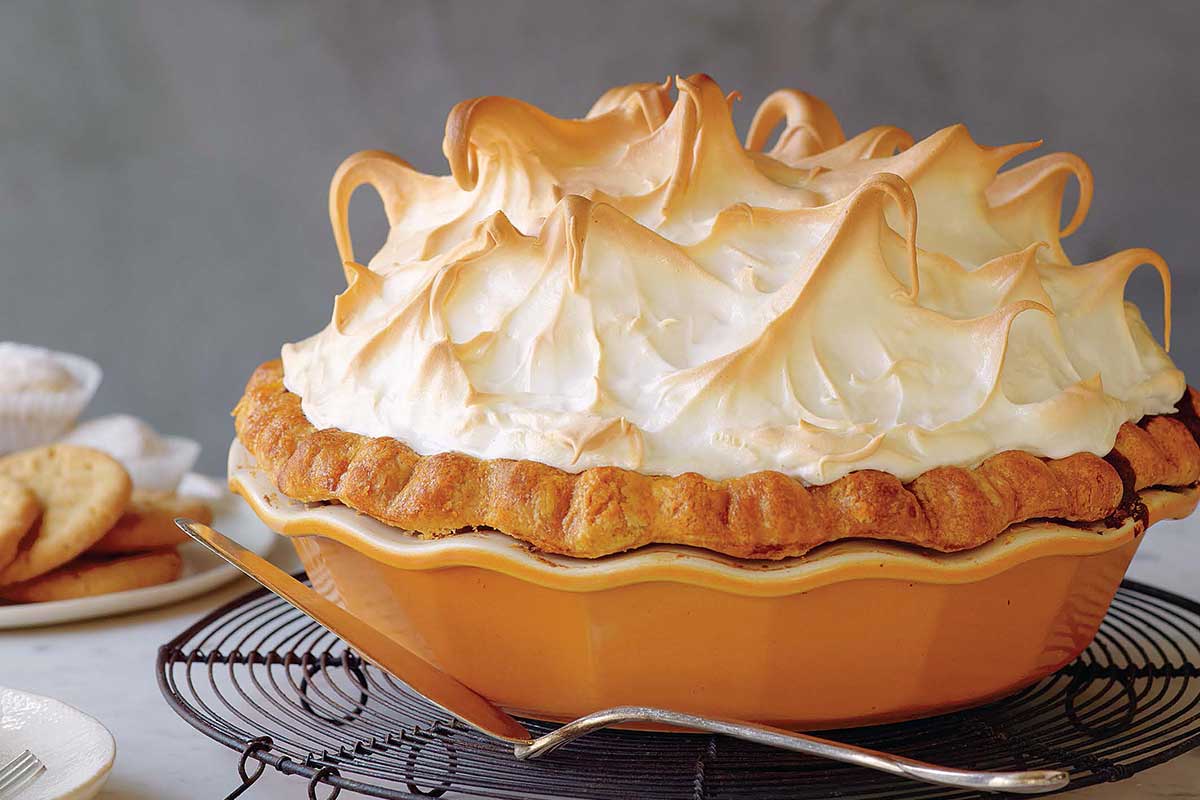
Mastering the Meringue: Preventing Weeping on Your Pumpkin Pie
Few desserts capture the essence of autumn and festive gatherings quite like a decadent pumpkin meringue pie. Imagine a perfectly flaky, buttery crust cradling a velvety smooth, spiced pumpkin filling, crowned with a cloud of toasted, melt-in-your-mouth meringue. It’s a showstopper, a family favorite, and for many, a treasured holiday tradition. However, the delicate beauty of meringue can sometimes be elusive, with the common culinary woe of "weeping" – those unsightly, syrupy beads that form on its surface, diminishing its ethereal charm. Fear not, fellow bakers! This comprehensive guide will equip you with expert tips and insights to ensure your next
pumpkin meringue pie stands tall and proud, free from tears.
The Anatomy of an Irresistible Pumpkin Meringue Pie
Before diving into the secrets of weep-free meringue, let's appreciate the components that make this dessert truly special. A great
pumpkin meringue pie is a symphony of textures and flavors:
*
The Crust: The foundation of any superb pie. A flaky, buttery pie crust, often blind-baked to ensure no soggy bottom, provides a delightful contrast to the creamy filling. The secret lies in using cold butter and not overworking the dough, creating those desirable layers.
*
The Filling: This is where the pumpkin shines. A smooth, rich pumpkin pie filling, infused with warming spices like cinnamon, nutmeg, ginger, and cloves, is the heart of the pie. Some recipes, like the innovative Spiced Chai Pumpkin Meringue Pie, even introduce exciting twists by incorporating aromatic chai spices into the filling for an unforgettable flavor profile. You can learn more about crafting a truly exceptional filling and crust in our article:
The Best Pumpkin Meringue Pie: Flaky Crust & Perfect Meringue.
*
The Meringue: The crowning glory. Meringue is essentially a mixture of egg whites and sugar, whipped to stiff peaks. When prepared correctly, it’s light, airy, and delicately sweet, often toasted to achieve a beautiful golden-brown hue and a slight marshmallow-like char.
Understanding Meringue: Why It Weeps
Meringue might seem like a simple combination of egg whites and sugar, but its chemistry is surprisingly intricate. When egg whites are whipped, proteins unravel and re-form, trapping air to create a stable foam. Sugar is then incorporated, which stabilizes this foam, makes it glossy, and adds sweetness. The "weeping" phenomenon, where sugary liquid beads on the surface, primarily occurs due to two main factors:
1.
Humidity: Sugar is hygroscopic, meaning it loves to absorb moisture from the air. On a humid day, the meringue topping will readily pull moisture from its surroundings, causing the sugar to dissolve and bead up as syrup.
2.
Unstable Meringue Structure: If the egg whites aren't whipped to sufficiently stiff peaks, or if the sugar isn't fully dissolved, the meringue's structure can be weak. This allows moisture from the filling to migrate into the meringue, or simply for the sugar within the meringue to release its own trapped moisture. Over-baking or under-baking the meringue can also contribute to instability.
Think of meringue as a delicate, sugary sponge. Any excess moisture – from the air, the filling, or an unstable structure – can cause it to "sweat" out those syrupy droplets.
Expert Strategies to Prevent Weeping Meringue
Achieving that perfect, stable meringue isn't rocket science, but it does require attention to detail. Here are our top expert tips, building on foundational knowledge and adding invaluable insights:
1. Choose Your Baking Day Wisely (or Control Your Environment)
This is perhaps one of the most significant factors. As mentioned, humidity is meringue's arch-nemesis.
*
Bake on a Dry Day: If possible, schedule your
pumpkin meringue pie baking for a day with low humidity. This minimizes the external moisture available for the meringue to absorb.
*
Control Your Kitchen Environment: If you live in a perpetually humid climate or can't wait for a dry day, consider using a dehumidifier in your kitchen. Avoid boiling pots of water or running dishwashers while your meringue pie is cooling.
2. Whip to Perfection: Achieve Extra Stiff Peaks
The foundation of a stable meringue lies in properly whipped egg whites.
*
Cleanliness is Key: Ensure your mixing bowl (preferably glass or metal) and whisk attachments are absolutely spotless and grease-free. Even a speck of fat can prevent egg whites from whipping properly, leading to a weak, unstable meringue. Wipe them down with a paper towel dampened with lemon juice or vinegar for extra assurance.
*
Room Temperature Egg Whites: Separate your eggs when cold (they separate cleaner), but let the whites come to room temperature before whipping. They will whip up faster and achieve greater volume.
*
Whip to Stiff, Glossy Peaks: The meringue should be so stiff that when you lift the whisk, the peaks hold their shape without drooping. It should also be glossy, indicating the sugar is fully dissolved. If it looks dull or grainy, continue whipping until smooth and glossy. *Under-whipped meringue is prone to weeping because its structure isn't strong enough to hold the sugar and air.*
3. The Hot Pie Application Method
Timing is crucial when it comes to applying meringue.
*
Apply Meringue to a Warm Pie: For maximum stability and to help prevent weeping, spread your meringue over the pumpkin pie filling *as soon as the pie comes out of the oven*. The residual heat from the pie helps to lightly cook the bottom layer of the meringue, creating a protective barrier and making it less likely to absorb moisture from the filling. This also helps the meringue adhere firmly to the filling. While some prefer to cool the pie before topping, this "hot-on-hot" method is superior for longevity.
*
Seal the Edges: When spreading the meringue, ensure it touches the pie crust all around the edges. This "seals" the filling and prevents moisture from escaping the filling and getting trapped under the meringue, which can lead to weeping.
4. Introduce a Stabilizer: The Magic of Cornstarch
For an extra layer of protection, especially if you need your
pumpkin meringue pie to hold up for a longer period, a touch of cornstarch can work wonders.
*
When to Add: Incorporate about ½ teaspoon of cornstarch (or arrowroot powder) per 3-4 egg whites into your egg white and sugar mixture while it's heating (if using a Swiss or Italian meringue method) or once the egg whites have reached soft peaks (for French meringue).
*
How It Works: Cornstarch acts as a binder and moisture absorber. It helps to strengthen the meringue's structure, making it more resilient against humidity and moisture migration. While some purists might prefer meringue without it for immediate consumption, it's a reliable trick for longer shelf life.
5. Proper Baking and Cooling of the Meringue
After applying the meringue, it needs to be baked or toasted to set.
*
Bake to a Golden Hue: Bake the pie at a relatively low temperature (e.g., 350°F / 175°C) for a short period (around 10-15 minutes) or use a kitchen torch to brown the peaks. This cooks the exterior, adding flavor and a bit more stability. Avoid over-baking, which can dry out the meringue.
*
Gentle Cooling: After baking, allow the pie to cool gradually at room temperature. Sudden temperature changes can cause the meringue to "sweat." Avoid placing it directly into a cold refrigerator while it's still warm.
Beyond Weeping: Elevating Your Pumpkin Meringue Pie
With weeping vanquished, let's briefly touch on other elements that can make your
pumpkin meringue pie truly legendary. Consider incorporating unique flavors, as seen in the
Spiced Chai Pumpkin Meringue Pie: A Flavorful Holiday Twist, which infuses chai spices into both the filling and meringue. This offers a distinctive, aromatic experience. Also, remember that partially blind-baking your pie crust before adding the filling is a non-negotiable step for preventing a soggy bottom, ensuring every bite is perfect.
Conclusion
A beautifully crafted
pumpkin meringue pie is a testament to skill and patience, a delightful centerpiece for any holiday table. While the fear of weeping meringue is real, it's a challenge easily overcome with the right techniques and a little understanding of meringue science. By controlling humidity, ensuring stiff and stable peaks, applying your meringue to a warm pie, and considering a touch of cornstarch, you can confidently create a pie that is not only visually stunning but also flawlessly delicious. So, next time you set out to bake this beloved dessert, embrace these expert tips and prepare to bask in the glow of a perfectly toasted, weep-free meringue. Your taste buds—and your guests—will thank you!